
How Often Does a Grease Trap Need Pumping?
The honest answer: it depends on how much your kitchen fries, sautes and washes down the drain. The 25 percent rule is the real trigger, not a fixed date on a calendar. A high-volume diner near downtown Grand Forks, the kind that also books construction dumpster rental during a remodel, might hit that mark monthly. A slower catering kitchen might stretch to quarterly. Grand Forks Porta Pros checks depth at every visit and adjusts the interval instead of guessing. This is different from residential septic work, where a typical 1,000 gallon tank gets pumped every 3 to 5 years depending on household size. Grease traps move faster because grease climbs the tank whenever the fryer runs, unlike a holding tank rental used for temporary water service. If you are not sure which category your setup falls into, our septic pumping service page breaks down tank types, and how often to pump a septic tank covers the residential side in more depth. Skipping a cycle does not save money. It just moves the cost to a clogged line and a closed kitchen, the same logic that applies to septic tank warning signs homeowners tend to ignore too long.
What Does Grease Trap Pumping Cost in Grand Forks?
Pricing depends on trap size, grease load and whether you are booking routine service or calling because the line already backed up. We do not publish grease-specific rates here, but our septic day-rate work sits in a comparable range to standard tank service, and our dumpster rental cost page uses the same measured-data approach:
| service | duration | typical range |
|---|---|---|
| septic pumping | day visit | $150 to $300 |
| septic pumping | weekend call | $50 to $150 |
Those numbers come from measured septic pumping data, and grease trap jobs price similarly since the truck, labor and disposal steps overlap, much like the shared logistics behind roll-off dumpster rental. Ask for septic tank pumping cost details when you request a quote, and see septic tank cleaning if your line needs more than a straight pump-out. Restaurants that skip scheduled service often end up paying for an emergency septic service call instead, which costs more than staying ahead of the buildup.
Do I Need Emergency Grease Trap Pumping?
If grease is backing up into a sink or floor drain, yes, call now instead of waiting for the next scheduled visit. A trap that overflows can shut down a kitchen line during service, and that is the moment restaurant owners in Grand Forks usually find our number for the first time, the same way job sites reach for emergency porta potty rental or check our service areas page to confirm coverage. Grand Forks Porta Pros treats these calls as priority dispatch, same as our emergency porta potty rental line for job sites that lose restroom access without warning. Waste haulers follow disposal rules that vary by facility, and a trap left too long risks a slow drain across the whole kitchen, not just one line, similar to what our dumpster weight limits page explains about overloaded containers. For kitchens near East Grand Forks, about 4.7 miles east, or out toward Thompson, 12.5 miles south, we route the same trucks used for construction site services and septic work, so response does not depend on which side of the river you are on.
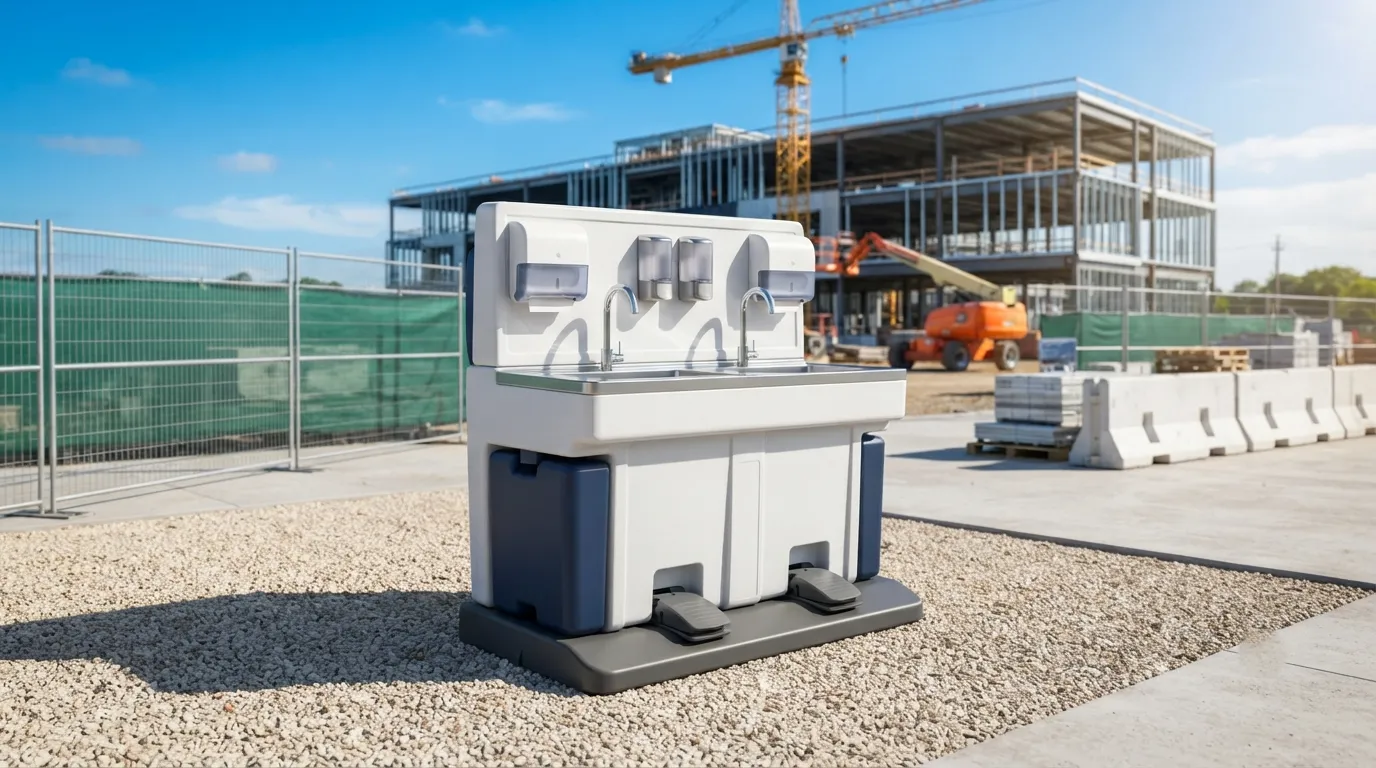
Handwashing near food prep areas falls under separate rules. OSHA 1926.51(f)(1) covers washing facilities specifically where workers apply paints, coatings, herbicides or insecticides, and general industry handwashing sits under 29 CFR 1910.141(d)(2), which requires soap and towels or a hand-drying device, not sanitizer alone. If your kitchen or job site needs a compliant setup, our handwashing station rental, portable sink rental and handwashing requirements pages cover what that looks like in practice, and a portable restroom rental often gets added to the same order.
How do I know if my grease trap is full?
Grease and solids near 25 percent of the liquid depth means it is time to call. Watch for slow drains, odor near the trap, or a sink that backs up faster than usual. Grand Forks Porta Pros checks depth at every scheduled visit so you are not guessing between appointments, the same proactive approach covered in porta potty rental checklist.
Can I schedule recurring grease trap pumping?
Yes. Most Grand Forks kitchens run monthly or bi-monthly cycles depending on fryer volume. We set the interval after the first visit once we see your actual buildup rate, then hold that schedule going forward unless volume changes, much like the recurring plans on our monthly porta potty rental page.
What happens to the grease after pumping?
It gets hauled off-site for proper disposal following hauler licensing rules. This is standard practice across every commercial pump-out we run in Grand Forks, whether it is a single trap or a multi-unit restaurant row, and it pairs well with a storage container rental for kitchens mid-renovation.
Does grease trap pumping cause downtime?
A routine pump-out takes under an hour for most single-trap kitchens. We schedule around your slow hours when possible so the crew is not in the way during lunch or dinner service.
Is grease trap pumping different from septic pumping?
Yes, though the trucks and crews overlap. Grease traps fill faster and need shorter intervals than a residential septic tank, which typically goes 3 to 5 years between pump-outs depending on tank size and household load.
Next step
Get a delivery date
Tell us the address, the dates and the headcount. We size the order and confirm the route.