
How fast can you set up sanitation after a disaster in Grand Forks?
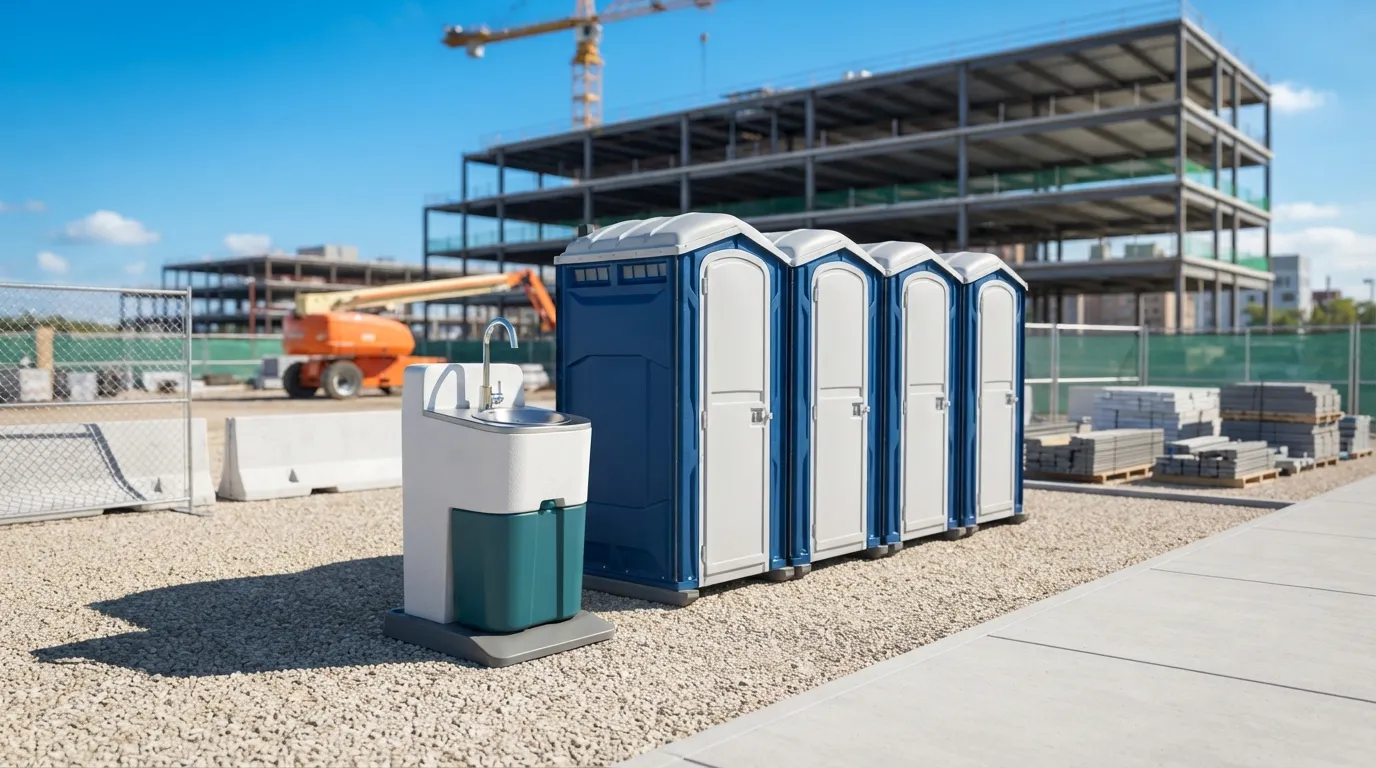
Delivery windows depend on how many units you need and how the roads look. A single emergency porta potty rental can often go out same day if a driveway is clear and the ground can hold the truck. Multi-unit shelter setups, like a bank of standard porta potty rental units plus a handwashing station rental, take longer to stage but we prioritize disaster calls ahead of routine construction site services work. Grand Forks flooding events can knock out septic and city sewer access at once, so we bring both toilets and portable sink rental units together rather than one at a time.
OSHA 1926.51(c) sets the baseline most responders use for headcount planning: one toilet for 20 workers or fewer, then one toilet and one urinal per 40 workers up to 200. That ratio works for shelter populations too, and it's the number we start from when a city department or relief coordinator calls asking "how many do we need." For sites housing people overnight rather than a workday crew, we lean toward the higher end of that ratio since usage doesn't stop at 5pm. See how many porta potties do i need for the full breakdown by group size.
Access matters more than people expect in a disaster response. A roll-off delivery needs about 60 feet of straight clearance behind the truck, and standard toilet units are roughly 44 by 48 inches on the ground and about 92 inches tall, so even a narrow lot can usually take two or three units if the path in is clear of debris. If East Grand Forks or Thompson crews need overflow support, we've already got measured routes: East Grand Forks sits 4.7 miles east, Thompson 12.5 miles south. That matters when a levee closes a bridge and normal routes are gone.
What sanitation equipment do disaster shelters and command posts actually need?
Shelters need toilets, handwashing, and often showers, all at once, not staggered over a week. A restroom trailer rental gives shelter staff flushing fixtures without relying on damaged plumbing, and a shower trailer rental matters when displaced households have gone days without running water. For command posts and volunteer staging, an ada accessible porta potty unit should be part of the order from the start, not an afterthought. ADA Standards section 213.2 requires at least 5 percent of clustered single-user units to be accessible, with a minimum of one, and that rule doesn't pause because it's an emergency.
Handwashing is its own line item and gets missed. 29 CFR 1910.141(d)(2) requires soap and towels or a hand-drying device at washing stations; hand sanitizer alone doesn't satisfy it. That's a real gap we see on disaster sites where sanitizer gets handed out but nobody sets up a sink. A hand sanitizer station rental is a fine supplement, but it shouldn't be the only handwashing option at a shelter kitchen or a mass feeding site.
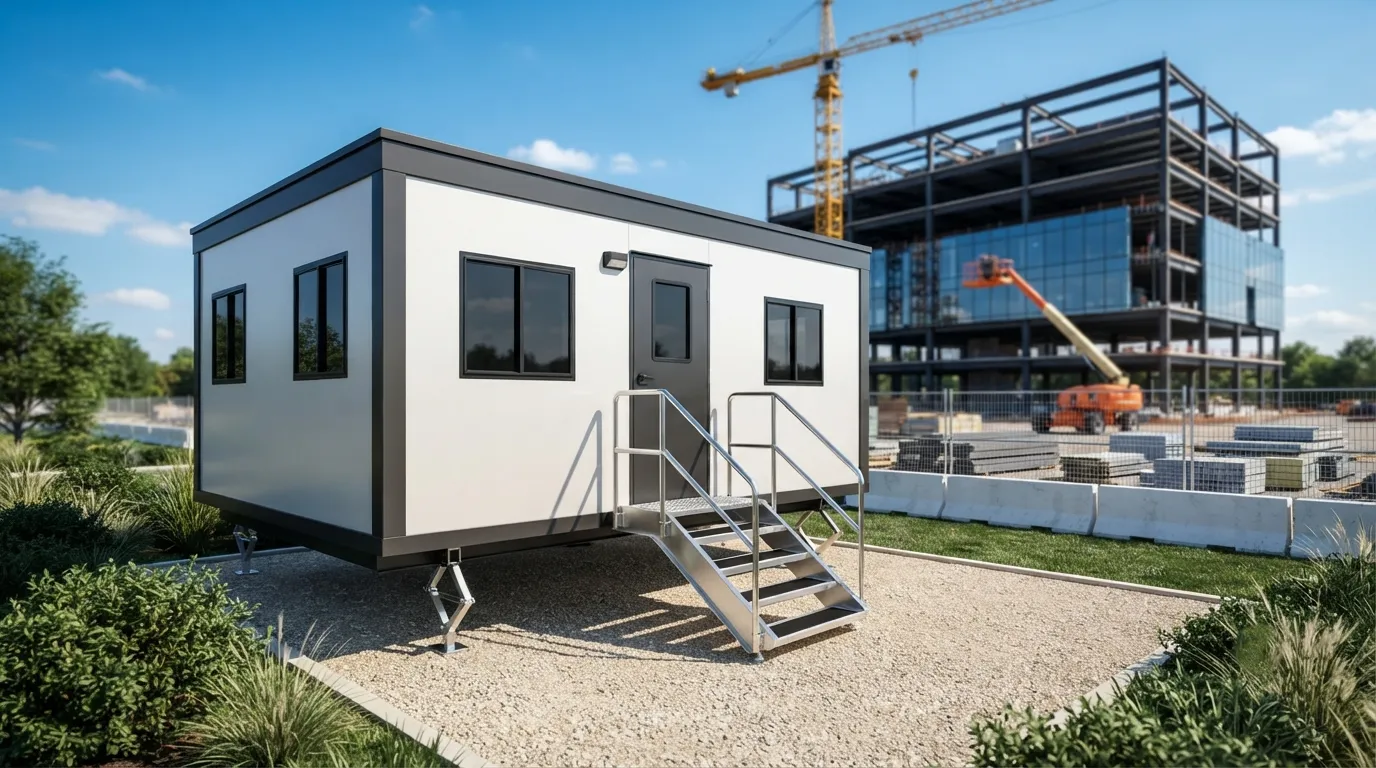
Storage and staging also come up fast. Relief supplies need somewhere dry, and a storage container rental or mobile office trailer rental can serve as a coordination point when the usual building is flooded or condemned. If debris removal is part of the response, a roll-off dumpster rental clears storm debris faster than hauling it by pickup truck, and temporary fence rental can secure a damaged structure or staging yard while cleanup continues.
Should septic-dependent properties worry about sanitation during flooding?
Yes, and often before the flooding even peaks. A residential septic tank is typically pumped every 3 to 5 years under normal conditions, but heavy groundwater intrusion during a flood event can back up a tank that was otherwise fine. If a system is already failing, waiting until the toilet backs up into the house is the wrong plan. Our emergency septic service and septic pumping service crews handle flood-related calls, and a temporary holding tank rental can bridge the gap for a household or farm while the tank field drains and the system stabilizes.
Rural properties around Grand Forks, including farms near Manvel and Emerado, sometimes need a longer bridge than a single pump-out provides. Manvel sits 13.3 miles north and Emerado 14.2 miles west, both within normal service range for septic and toilet delivery. For agricultural operations still running hand-labor crews during a disaster response, OSHA 1928.110 sets field sanitation standards: potable water, toilets and handwashing within a quarter mile walk, one facility per 20 workers. See farm and agricultural restrooms for how that applies outside disaster conditions too.
How much does emergency porta potty delivery cost in Grand Forks?
Delivery fees run $100 to $500 for a single trip, with rush and after-hours calls landing at the higher end. Standard unit rental itself runs $100 to $350 a day depending on how many you need and how long the response lasts. Full pricing detail is on porta potty rental cost.
Can you deliver to a site with no power or water?
Yes. Standard portable toilets don't need electricity or plumbing, and each unit carries its own 60 to 70 gallon holding tank. Handwashing stations we deliver are self-contained too, so a site with no utilities at all can still meet basic sanitation needs.
Do you provide ADA-accessible units for shelters?
Yes, and we recommend ordering at least one from the start. ADA Standards section 404.2.3 requires a 32 inch clear door opening, and section 304.3.1 calls for a 60 inch turning circle inside. Details are on ada accessible porta potty.
How many toilets does a shelter of 100 people need?
Using OSHA 1926.51(c) as a guide, 100 people falls in the range needing multiple toilets and at least one urinal, scaled up from the base ratio. Actual counts depend on whether people are there for hours or overnight. See how many porta potties do i need.
Will you service units during an ongoing flood event?
We service on the schedule the site allows. ANSI/PSAI Z4.3 sets one visit per week per 10 users as a baseline interval, but disaster response sites often need more frequent service, which we scale based on actual usage.
Next step
Get a delivery date
Tell us the address, the dates and the headcount. We size the order and confirm the route.