
What Are The First Signs A Septic Tank Needs Pumping?
Slow drains in more than one fixture at once is usually the earliest tell. If your kitchen sink and your bathtub both drain sluggishly on the same day, that's not a coincidence, that's a full tank pushing back. Gurgling sounds from toilets after a flush mean air is trapped somewhere it shouldn't be. Standing water or a spongy, greener-than-usual patch over the drain field is another classic sign, and it often shows up before anyone in the house notices a smell. Sewage odor near the tank lid, especially after rain, points to a tank that's holding more solids than it should. Grand Forks households on tanks near or past the 3 to 5 year pumping window should treat any of these as a reason to call rather than wait. If you're not sure how long it's been, how often to pump a septic tank walks through the factors that set your interval. Ignoring these signs long enough usually ends in a full backup, and at that point you're looking at emergency septic service instead of a scheduled visit.
Why Does My Septic Tank Smell Outside?
A strong sewage smell outdoors, especially near the tank or drain field, means gas is escaping somewhere it isn't supposed to. That can mean a cracked lid, a failed vent, or a tank so full that gas is being pushed out through the soil instead of the vent stack. It's not something that fixes itself. Commercial kitchens in Grand Forks have a related but separate problem: a grease interceptor is pumped when fats, oils, grease and solids reach 25 percent of the liquid depth, and a neglected interceptor produces the same rotten-egg smell as a failing tank. If your property has one, see grease trap pumping for that specific service. For a straight residential tank, septic tank pumping cost covers what a pump-out typically runs, and our septic pumping service page covers what a visit involves start to finish. Don't mask the smell and hope it passes. In our experience that's the sign that shows up right before a backup, not instead of one.
Can A Full Septic Tank Cause Water To Back Up Into The House?
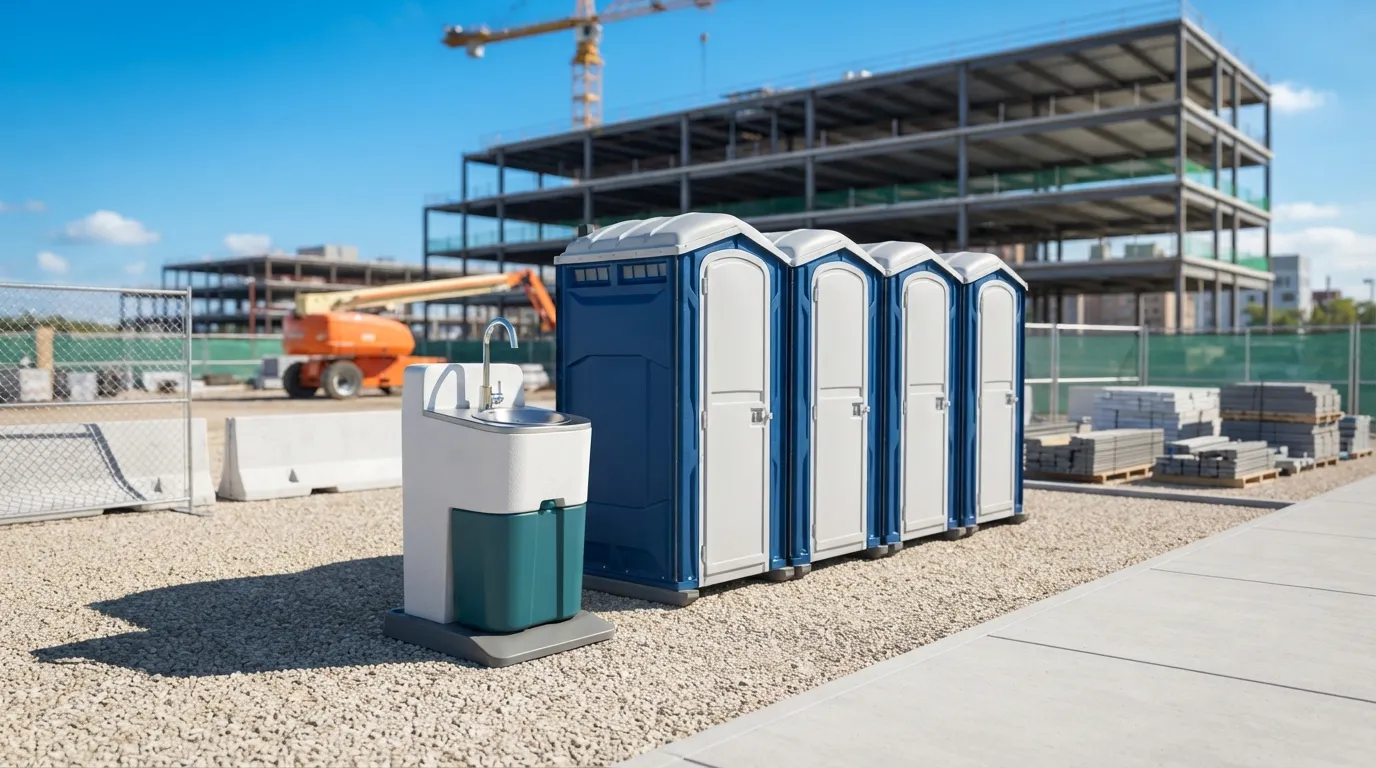
Yes, and it's one of the worst-case versions of these warning signs. When a tank is full past capacity, wastewater has nowhere to go but back up the pipe path of least resistance, which is usually the lowest drain in the house. That's often a basement floor drain or a laundry hookup. If you're seeing water come up rather than go down, stop using water in the house and call for emergency septic service right away rather than running more loads through the system. While the tank gets pumped and inspected, a rented holding tank rental unit or a portable toilet rental can keep a household or job site functioning. This is also the point where a lot of Grand Forks homeowners realize they never tracked their pumping schedule, which is exactly what septic tank cleaning service on a set interval is meant to prevent.

Should I Wait For Multiple Warning Signs Before Calling?
No. Any single sign on its own is reason enough to schedule a pump-out or inspection, because these systems tend to fail fast once they start failing. A tank that's slow to drain today can be backing up into the house within days if the household keeps using water normally. Grand Forks properties on well and septic, particularly ones out toward Thompson 12.5 miles south or Manvel 13.3 miles north, don't always have quick access to a same-day plumber, so catching the early sign matters more, not less. Waiting to see if a second symptom shows up just means the eventual pump-out job is messier and the odds of contaminated groundwater go up. If you're building new or adding a bathroom, ANSI/PSAI Z4.3 sets a baseline service interval of once a week for up to 10 users over a 40 hour week for portable sanitation, which is a useful reference point for anyone weighing a temporary system against a septic upgrade. For most homeowners the simplest fix is a call now rather than a guess later.
| service | duration | typical price |
|---|---|---|
| septic pump-out | day | $250 |
| septic service | weekend | $100 |
Prices above reflect measured typical rates for septic service call-outs; your quote depends on tank size and access. For job sites needing sanitation while septic work is underway, see construction site services or browse standard porta potty rental for short-term options.
How much does it cost to pump a septic tank in Grand Forks?
A septic pump-out typically runs in the range shown on our septic tank pumping cost page, with day-rate service call pricing generally falling between $150 and $300. Exact cost depends on tank size, access, and how much buildup has accumulated since the last pump.
How often should a septic tank be pumped?
Most residential tanks need pumping every 3 to 5 years, though household size and tank size shift that window. Larger households or smaller tanks may need service closer to the 3-year mark. See how often to pump a septic tank for the full breakdown.
What happens if I ignore septic warning signs?
Ignoring slow drains or odors usually leads to a backup into the house, which is far more disruptive and costly than a scheduled pump-out. Once wastewater backs up, you're into emergency septic service territory instead of routine maintenance.
Can a portable toilet help while my septic system is being repaired?
Yes. A portable restroom rental or holding tank rental keeps a household or business running while the tank is pumped, inspected, or repaired. Most units can be delivered same day depending on availability.
Do commercial kitchens have different septic warning signs?
Commercial kitchens usually deal with grease interceptors rather than standard septic tanks. An interceptor needs pumping once fats, oils, grease and solids reach 25 percent of the liquid depth. See grease trap pumping for details specific to that equipment.
Next step
Get a delivery date
Tell us the address, the dates and the headcount. We size the order and confirm the route.